16 Oct 2026
Choosing a Dental Course After BDS: An Honest Guide for Dentists Who Want Real Clinical Skill
Most dentists remember the exact week it happened.
You finished BDS, ran through internship, and stepped into private practice. For the first year, every patient felt like a small examination. By year three, you had stopped panicking when a molar refused to come out. By year five, you knew your operatory the way a chef knows their kitchen. And then, almost without warning, the curve flattened.
The challenging cases started arriving. A patient walked in with a posterior maxilla so pneumatised that placing an implant felt like trying to plant a flag in tissue paper. A young woman wanted veneers and brought reference photos from a Mumbai influencer. A retired professor needed a full-mouth rehabilitation and asked, with polite curiosity, what your treatment plan would actually involve. The questions stopped being technical. They became architectural.
If that sounds familiar, you are not alone, and you are also not under-qualified. Indian BDS programs do an enormous amount in five years, but they are designed to produce safe general dentists, not implant surgeons, ceramists, or rehab specialists. The gap between graduation and clinical mastery has to be filled by something else, and that something else is what this article is about.
If you have ever sat in a CDE seminar wondering whether the hours you booked off your clinic were worth it, or if you have stared at a long list of dental courses online and felt unsure where to begin, settle in. We are going to walk through what dental education in India actually looks like beyond university, how to evaluate a dental academy without falling for marketing, what to expect from a serious implant course, and how Acharya Foundation has shaped its own curriculum around the way clinicians actually learn.
Why Dental Education Cannot Stop at Dental School
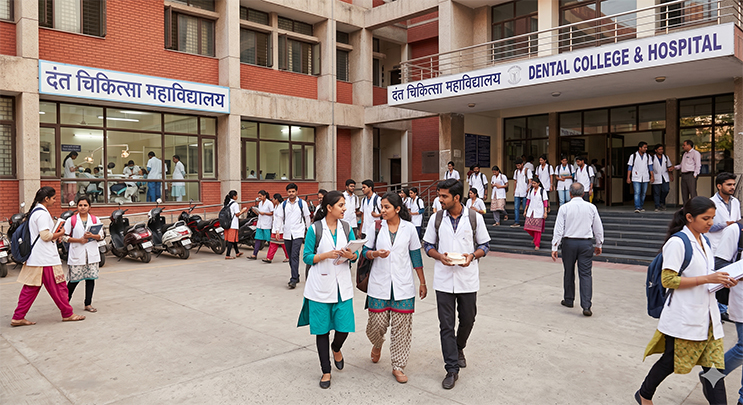
The Dental Council of India approves around 320 dental colleges and produces somewhere in the region of 25,000 to 27,000 BDS graduates every year. That number is one of the largest in the world. A small fraction proceed to MDS, a smaller fraction still to formal fellowships. The vast majority enter clinical practice with a respectable theoretical base and a small, often skewed, basket of hands-on experience.
Even at the postgraduate level, things vary. A great dental school will give you patient volume, faculty mentorship, and exposure to specialists across departments. An average one will leave gaps in implantology, occlusion, smile design, complex endodontics, soft tissue management, and the entire field of practice management. The reality on the ground is that even MDS graduates often look for additional dental certificate courses and dental diploma courses to build the specific muscle their university curriculum did not develop.
In countries with mature continuing dental education systems, this is the norm. The American Dental Association requires licensed dentists to log a stipulated number of continuing education credits over each renewal cycle. The General Dental Council in the UK has a similar requirement under its Enhanced CPD scheme. India is moving the same way. The Dental Council of India runs the Continuing Dental Education programme, and most state councils now ask for a minimum number of CDE credits at the time of registration renewal. This is no longer an optional extra. It is the baseline.
What this means in practice is that the average dentist in 2026 will participate in some form of dental education almost every year for the rest of their working life. The question is no longer whether to take a course. It is which course, with which faculty, in what kind of facility, and with what outcome.
Three Lanes of Continuing Education
If you map out the dental education landscape in India, three broad lanes appear.
The first is the academic lane. This includes MDS programmes, university fellowships, and structured certificate programmes that run for a year or more. These come with formal recognition and produce a meaningful credential, but they ask for a long commitment and pull you away from active practice. They suit people early in their career, or those willing to take a sabbatical.
The second is the industry-driven lane. Implant companies, ceramics manufacturers, and equipment vendors regularly run training programmes. These are often well organised and feature respected speakers, but they are usually built around a specific product line. You will learn to place a specific implant system or use a specific scanner or zirconia block. That is useful for the product, less so for the underlying principles.
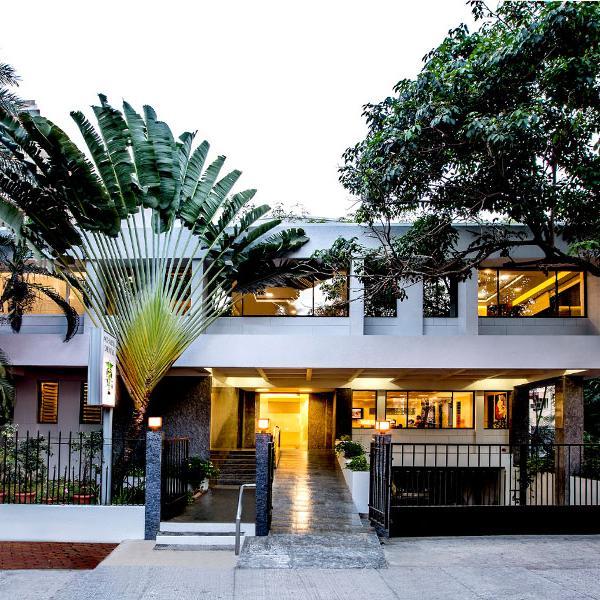
The third lane is the independent dental academy. These are clinical-education focused institutions that run hands-on dental courses, masterclasses, study clubs, and fellowships. They invite faculty from across the country and the world, they tend to be vendor-neutral, and they let you build a personal curriculum based on your own gaps. Acharya Foundation in Chennai belongs to this third lane, and so do a small handful of serious institutions across India.
Each lane has its place. Most clinicians end up using all three at different stages. The third lane, though, is where the most rapid clinical growth tends to happen, because the courses are short, intense, focused on technique, and immediately applicable to Monday morning.
## What a Real Hands-On Dental Course Looks Like
There is a quiet problem in continuing education. Many courses claim to be hands-on when they are really lecture days with a small phantom-head exercise tacked on. A dentist who has paid for time off practice, travel, and tuition deserves to know what they are walking into.
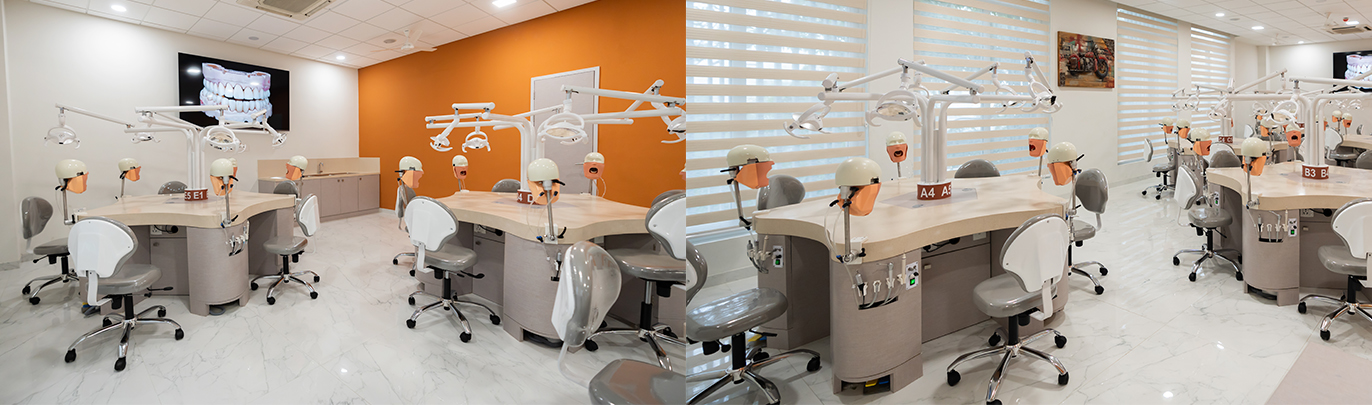
A genuine hands-on course has a few visible markers. There are enough simulation stations or patient chairs for participants to spend most of the day actually doing the procedure rather than watching it. The faculty walks the floor, not the stage. There are realistic models, preferably animal jaws or cadaver where the procedure demands it, instead of generic typodonts. There is a live patient component when the procedure can be safely demonstrated. And there is some form of after-course support so the techniques learned do not evaporate the moment the participant returns to their clinic.
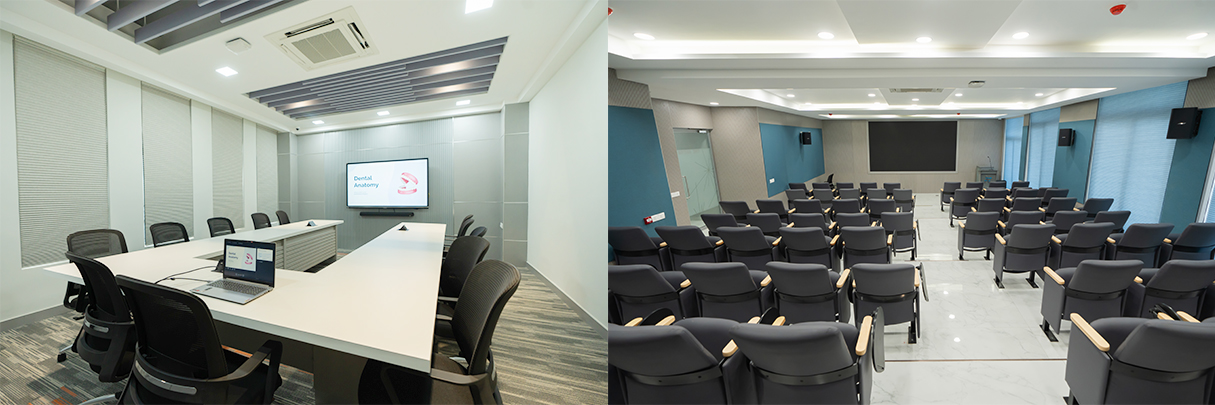
At Acharya Foundation, the simulation lab is built around this idea. It carries phantom heads, complete instrumentation, and the imported bone simulation models used for procedures like osseodensification. The 90-seater auditorium is directly connected to the surgical suite by a 170-inch LED screen, so the live surgery feed actually carries the detail that participants need to follow each step. Participants get HD recordings of live surgeries to take home. After the course, relevant peer-reviewed articles are shared, which gives clinicians the scientific reading list to anchor what they just learned in their hands. These are small choices, but they are what separates a course that changes the way you practise from one you forget within a fortnight.